![]()
Save Teeth With a Cavity Treatment
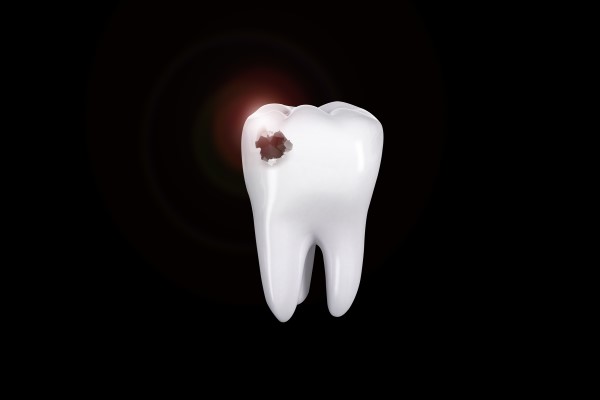
Everyone needs cavity treatment at some point in their lives. Cavities are one of the most common issues that dentists deal with, and they can cause the total loss of a tooth if it is not treated. An untreated cavity can even have life-threatening consequences if the tooth becomes infected.
Cavities are caused by acids made by oral bacteria breaking down and destroying teeth structures. They appear as small holes that will continuously expand until they are treated or the tooth is destroyed. The microorganisms that cause tooth decay feed on leftover sugars in the mouth and convert them to teeth-damaging acids.
Fortunately,
cavity treatment is easy and straightforward when tooth decay is detected early. The earliest stage of tooth decay can be reversed with a fluoride treatment. Things become a bit more complicated if the cavity is allowed to reach the tooth’s innermost layers, leaving the soft tissues in the pulp chamber exposed to bacteria in the mouth.
What to expect when getting cavity treatment
Here are popular ways that a dentist might go about treating a patient’s cavities.
1. Fillings
A filling is the standard treatment for tooth decay, and it is typically a viable option if the tooth’s pulp chamber has not been compromised. It involves using a dental filling to plug any holes on teeth due to decay. The patient gets a shot of a local anesthetic at the start of their treatment, and the dentist extracts decayed tooth material.
The filling is then poured into the tooth, sealing up the hole. The putty-like material hardens upon exposure to air or saliva.
2. Crowns
Crowns are reserved for more serious cases of decay, when significant damage has already been bone. Such a tooth has been weakened to the point that it cannot be rebuilt with dental filling. A crown is placed over the tooth to protect it from acids in the mouth, prevent it from breaking apart, and protect it against bite forces. Getting a crown typically involves removing enamel from the tooth so the crown fits better, but if the tooth has already been damaged by decay, the dentist might have to rebuild the tooth with filling so a crown can be placed on it.
3. Root canal
Root canal therapy is recommended when a cavity has made its way into a tooth’s pulp chamber. That is the innermost chamber of a tooth that contains its nerve and blood vessels. This area is sealed off from the rest of the tooth to protect its contents against bacteria and acids in the mouth.
The pulp chamber being opened up by decay leaves the tooth vulnerable to infection. It also typically leads to severe toothaches because acids making contact with a tooth’s nerve causes pain.
A root canal is performed to remove the nerve and blood vessels of a tooth. The tooth might be covered with a crown afterward to protect what is left of it.
Put cavities behind you
Call or visit our
Boca Raton dental clinic to learn more about your treatment options when it comes to fighting tooth decay.
Related Posts
Life moves fast in Boca Raton. Between work, family, and the Florida sun calling you outdoors, it’s easy for small things to slip out of place—including your clear aligners. If your Invisalign trays are broken or missing, it can feel unsettling. But like many things in life, a calm and timely response can bring everything…
A toothache can start as a mild annoyance—something you think will pass after a good night’s sleep or a pain reliever. But sometimes, what begins as a small discomfort quickly turns into something far more serious. Knowing when a toothache crosses the line into an emergency can make all the difference in saving your tooth…
One of the most common and trusted options for replacing missing teeth, dental implants restore both function and aesthetics. If properly cared for, dental implants provide a permanent solution that can greatly enhance your smile and confidence. However, as with any medical procedure, dental implants must be properly maintained in order to remain effective and…
A damaged or weakened tooth can affect much more than your smile. It can make eating uncomfortable, lower your confidence, and even lead to bigger dental problems if not treated in time. Thankfully, modern dentistry offers reliable solutions that restore both the function and appearance of your teeth.One of the most trusted restorative treatments used…