 Invisalign vs Braces in Boca Raton, FL
Invisalign works great—but here's when braces win in Boca Raton, and knowing the difference matters. Both options straighten teeth and improve your smile. But they don't work equally well for every case. Understanding your candidacy helps you make a smarter, more confident decision.
At Regency Court Dentistry of Boca Raton, Dr. Danielle Alvarez helps patients explore both paths. Clear aligners have transformed orthodontic care. But traditional braces still outperform Invisalign in specific situations. This guide breaks down exactly when each option works best.
What Invisalign Does Well in Boca Raton
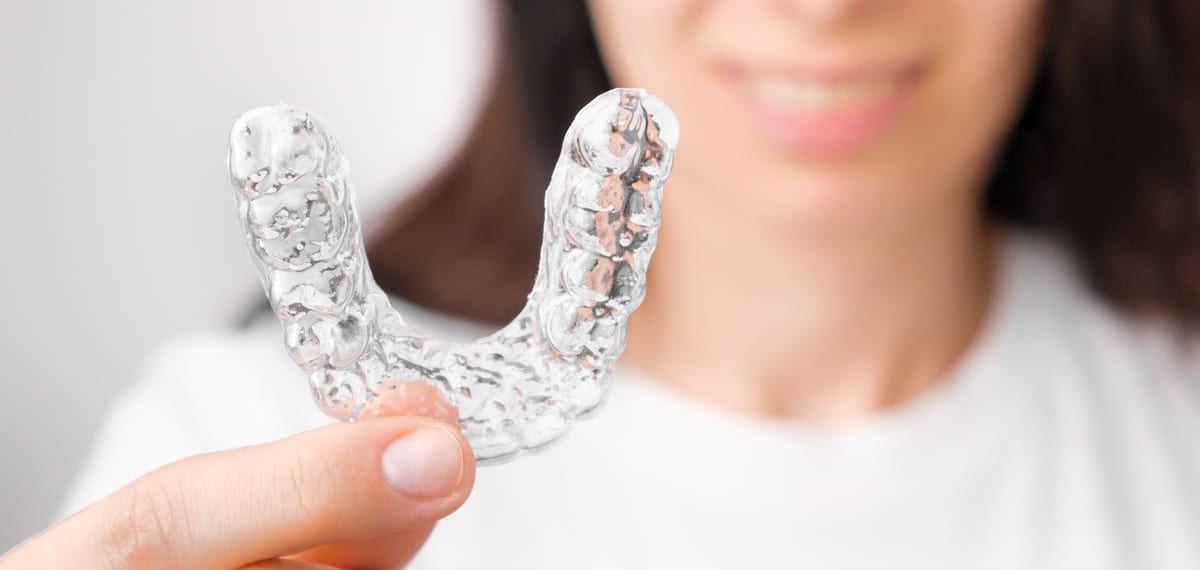
Invisalign uses a series of custom clear plastic trays. These trays shift your teeth gradually over several months. Most patients find them comfortable and nearly invisible. That convenience makes them popular among adults and teens in Boca Raton.
Clear aligners handle a wide range of common orthodontic issues effectively. You can remove them for eating, brushing, and flossing. That flexibility makes oral hygiene much easier during treatment. Many patients also report fewer emergency visits compared to braces.
Invisalign works particularly well for these issues:
- Mild to moderate tooth crowding
- Minor spacing or gaps between teeth
- Mild overbites where upper teeth slightly overlap lower teeth
- Mild underbites in cases without severe jaw involvement
- Crossbites that don’t require significant jaw correction
- Open bites in mild to moderate presentations
If your case falls into these categories, Invisalign may be an excellent choice. Dr. Alvarez evaluates every patient individually. She reviews digital scans, X-rays, and bite alignment before recommending any treatment. That personalized approach ensures you get the right solution.
When Braces Win: Cases Invisalign Can’t Handle Alone
Invisalign has real limitations—and that's not a flaw. It simply reflects how the technology works. Clear trays apply pressure in specific ways. They can't replicate everything traditional brackets and wires do.
Braces use metal brackets bonded directly to teeth. Wires thread through those brackets and apply continuous pressure. That allows for precise, three-dimensional tooth movement. Complex cases often demand that level of control.
Here are the situations where traditional braces typically outperform Invisalign:
- Severe crowding that requires significant tooth rotation
- Large gaps that need major repositioning
- Severe overbites or deep bites with vertical problems
- Significant underbites involving jaw alignment issues
- Teeth that are severely tilted or rotated more than 20 degrees
- Cases requiring tooth extrusion (pulling a tooth down into position)
- Patients who may struggle with aligner compliance
Teen patients sometimes benefit more from braces too. Aligners must be worn 20 to 22 hours daily to work correctly. Patients who frequently forget or remove their trays won't see ideal results. Braces are fixed, which removes that compliance variable entirely.
Understanding Crowding, Spacing, and Bite Issues
Crowding and spacing are the most common reasons patients seek orthodontic care. Mild crowding responds well to Invisalign. But severe crowding—where teeth overlap significantly—often needs braces. More pressure and directional control are required to move heavily rotated teeth.
Spacing issues depend on the size of the gaps involved. Small gaps close predictably with clear aligners. Larger gaps may require more complex movement patterns. In some cases, spacing gaps also signal missing teeth that need addressing first.
Bite problems are where the comparison becomes especially important. An overbite occurs when upper front teeth overlap lower front teeth vertically. Mild overbites are treatable with Invisalign. Severe overbites, however, involve more complex jaw positioning that braces handle more effectively.
Underbites happen when lower teeth sit in front of upper teeth. Mild underbites can sometimes be corrected with clear aligners. More pronounced underbites often involve jaw discrepancies. In those cases, braces—sometimes combined with other appliances—deliver more reliable outcomes.
Open bites occur when upper and lower teeth don't make contact when biting. Invisalign has actually shown strong results with certain open bite cases. But the severity and cause of the open bite determine which option wins. Dr. Alvarez will assess this carefully during your consultation.
How Dr. Alvarez Determines Your Best Option in Boca Raton
Every smile is different. That's why a thorough evaluation is the starting point for any orthodontic conversation at Regency Court Dentistry. Dr. Alvarez doesn't rely on guesswork or general assumptions. She uses clinical exams, digital imaging, and bite analysis to guide her recommendations.
Your overall oral health matters too. Gum disease, tooth decay, or missing teeth can affect which treatment is appropriate. For example, patients who need Dental Implants to replace missing teeth may need to address that before starting orthodontic treatment. Similarly, patients requiring Dental Crowns should factor that into their overall treatment plan. Crowns don't respond to orthodontic movement the same way natural teeth do.
Dr. Alvarez takes time to explain her findings in plain language. She wants you to understand your options—not just accept a recommendation. That educational approach helps Boca Raton patients feel confident in their care decisions. You'll leave your consultation with a clear picture of what's possible.
Invisalign and Braces: Making the Right Choice for Your Smile
There's no universally superior option between Invisalign and braces. The right choice depends entirely on your specific clinical needs. Invisalign works great for many Boca Raton patients with mild to moderate issues. But braces win when complexity, compliance, or jaw alignment enters the picture.
Both treatments are safe, proven, and effective when properly matched to the patient. Dr. Alvarez has experience with both approaches. Her goal is always to find the path that delivers the best result for your smile, your lifestyle, and your oral health. That's what patient-centered care looks like.
If you've been wondering which option is right for you, a consultation is the best next step. Don't rely solely on what worked for a friend or family member. Your smile is unique. It deserves a treatment plan built specifically around your needs.
Ready to find out whether Invisalign or braces is the right fit for your smile? Book Now to schedule your appointment with our team.
Frequently Asked Questions
Can Invisalign fix a severe overbite?
Invisalign can treat mild to moderate overbites effectively. However, severe overbites often involve more complex jaw positioning. In those cases, traditional braces—sometimes paired with additional appliances—tend to deliver more reliable results. Dr. Alvarez will evaluate your bite thoroughly before making a recommendation.
Are braces faster than Invisalign for complex cases?
For complex cases, braces often produce results more efficiently. They apply continuous, precise pressure to teeth around the clock. Invisalign relies on patient compliance and works best for simpler alignment issues. Treatment timelines vary by individual, so a clinical evaluation gives you the most accurate estimate.
What happens if I stop wearing my Invisalign trays regularly?
Aligners must be worn 20 to 22 hours per day to work correctly. Skipping wear time slows progress and may reduce treatment effectiveness. In some cases, teeth can shift back between trays if wear is inconsistent. Patients who struggle with compliance often achieve better outcomes with fixed braces.
Can I switch from Invisalign to braces mid-treatment?
Yes, it is possible to transition from Invisalign to braces if your case becomes more complex. Dr. Alvarez monitors progress throughout treatment and adjusts the plan when needed. Early detection of complications helps minimize delays. Your initial consultation also helps identify cases where braces are the better starting point.
Does Invisalign work for teens in Boca Raton?
Invisalign offers a teen-specific version designed with compliance indicators and extra aligners. It works well for teens with mild to moderate alignment issues who are disciplined about wearing their trays. For teens with more complex cases or lower compliance likelihood, braces may be a more reliable choice. Dr. Alvarez helps families weigh both options during the consultation process.