Everything You Should Know About Maintaining Healthy Dental Implants for a Lasting Smile
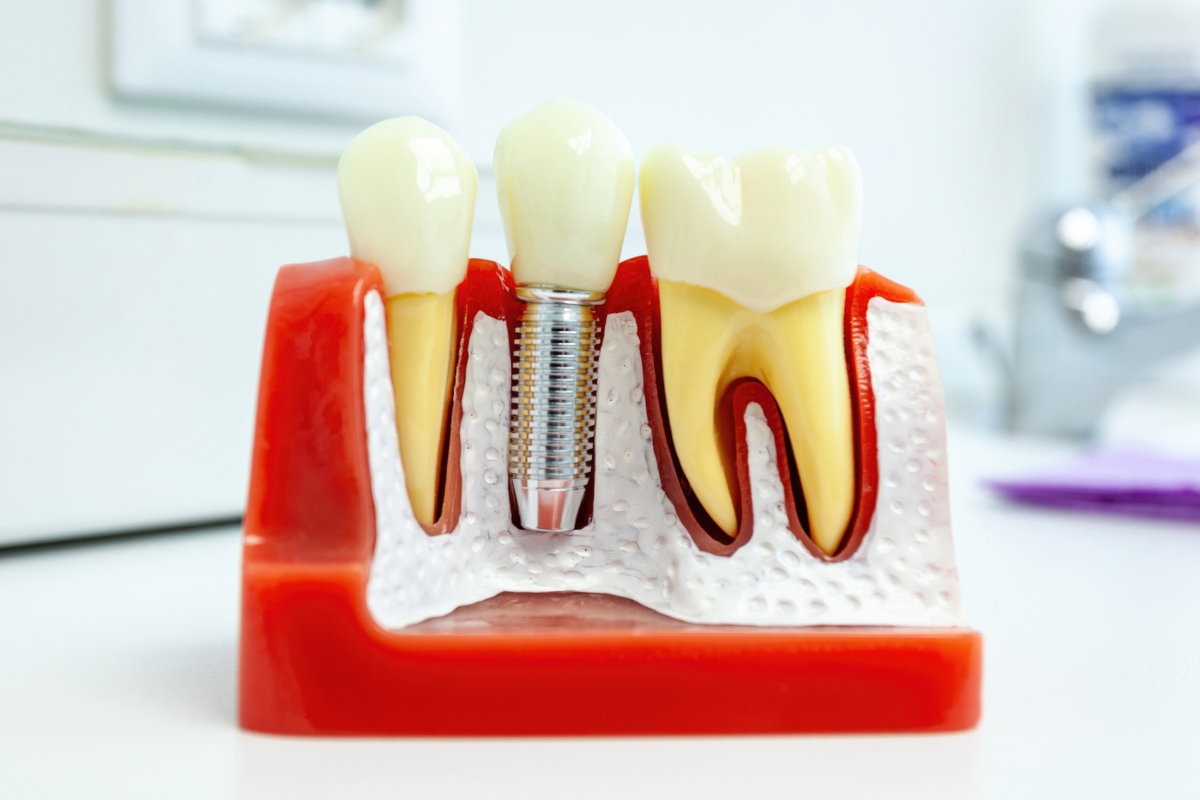
One of the most common and trusted options for replacing missing teeth, dental implants restore both function and aesthetics. If properly cared for, dental implants provide a permanent solution that can greatly enhance your smile and confidence. However, as with any medical procedure, dental implants must be properly maintained in order to remain effective and long-lasting.As Boca Raton dental patients know, taking care of your dental implants is an important for avoiding complications such as infection or dental implant failure. With positive habits, you can have a great, stunning, healthy smile for many years ahead. In this blog, we’re going to cover the steps you must take to preserve the health of your dental implants so that your smile can remain sparkling and strong.
The Importance of Proper Maintenance
Dental implants in Boca Raton are meant to be just like your own teeth, but they need special care to stay in good condition. Titanium is used to make the implants themselves, which provides durability, but if they are not cared for well enough, it can affect the surrounding gums and bone structure. Dental implants are at risk of plaque accumulation, just like natural teeth, and can lead to gum disease and other problems.Implants require more than just regular brushing to maintain them. If you want your dental implants in Boca Raton to last a lifetime, there are things we can do for both the implants and the tissue around them. Here’s how to properly care for your implants.
Important Practices for Keeping Your Dental Implants Healthy
Brushing your teeth regularly is just one aspect of maintaining healthy dental implants. There are good habits that help you maintain the health of your implants, and these can be ensured by visiting your implant dentist regularly for check-ups.
1. Brush and Floss Regularly
The most important part of any maintenance is keeping your implants clean. Use a soft-bristle toothbrush at least twice daily to brush your implants. The soft bristles should also help protect the implant surface while brushing plaque away. Flossing between your implants and natural teeth is also important for maintaining healthy gums and preventing plaque buildup around the implants. Use special floss or an interdental brush designed for implants if necessary to clean those hard-to-reach areas.
2. Visit Your Implant Dentist Regularly
Regular check-ups with your implant dentist are an integral to the long-term well-being of your dental implants. Regular visits to your dentist also allow your implant condition to be monitored and ensure that all aspects are functioning correctly. They will also do professional cleanings, which can help eliminate tartar and plaque you may miss when caring for your teeth at home.Your implant dentist will examine your gums to ensure they are healthy and will also check the fit of your implants and potential issues that may arise, along with proactive solutions, before a problem develops.
3. Avoid Hard or Sticky Foods
Eating certain foods may damage dental implants immediately after placement. Hard foods like nuts, ice, and hard candies can break or loosen the implants. Sticky foods such as caramel and gum can get trapped between the implant and the gums, leading to plaque buildup and other issues.Though your implants are designed to behave like natural teeth, it’s always best to be prudent and avoid hard or sticky foods in order to keep them in good condition.
4. Quit Smoking
Smoking has a devastating effect on the long-term success of your implant. Tobacco use reduces the circulation to your gums, making it more difficult for the tissue around your implant to heal and stay healthy. It increases the danger of infection, gum illness, and implant failure.If you smoke and have dental implants or are thinking about getting them, you should consult your dentist about quitting. This can help you make the necessary changes to live a healthier life and improve your implants.
5. Monitor Any Changes in Your Implants
Look out for any changes in or discomfort with your implants, such as swelling, bleeding, or a different sensation while chewing. These can indicate infections or other issues that must be addressed as soon as possible by your implant dentist. The key to avoiding more serious complications down the line is identifying problems as early as possible.
6. Use a Night Guard if You Grind Your Teeth
For nighttime teeth grinders or clenchers, be sure to wear a night guard. Teeth grinding (also called bruxism) can wear down your natural teeth and dental implants. Night guards can be custom-made to fit your mouth, preventing grinding or clenching from affecting these implants and helping them last for years.
The Role of Your Implant Dentist in Boca Raton
Implant dentists play a critical role in the health and success of your dental implants. With proper collaboration with your dentist, you can rest assured that the implants will not only remain functional but also aesthetically pleasing. Preventive care will ensure problems do not develop and keep your implants healthy.At Regency Court Dentistry of Boca Raton, we recognize the need for complete care when it comes to dental implants. We’re here to take you through all stages of the process, from that first consultation through ongoing maintenance. If you ever have any questions or concerns about your implants or overall oral health, always reach out to us.
How to Make Sure Your Implants Last for a Long Time
Just like our natural teeth, dental implants require regular care and attention to stay healthy. By brushing and flossing regularly, visiting your implant dentist, avoiding hard foods, quitting smoking, and using a night guard, you can ensure they last for years to come, keeping your smile bright and healthy as ever.Now that you know how to take care of your dental implants, be sure to set regular appointments with your dentist who specializes in implants. Call Regency Court Dentistry of Boca Raton today toschedule an appointment and discuss the best means of taking care of your dental implants!
Questions People Ask About Dental Implants
How do I care for my dental implants at home?Brush your dental implants twice daily with a soft-bristled toothbrush and floss regularly using implant-specific tools. This helps remove plaque, maintain gum health, and prevent infections around your implants, ensuring they last longer and stay healthy.
How often should I visit my dentist for dental implant check-ups?Visit your implant dentist every six months for routine check-ups and professional cleanings. Regular visits help monitor your implant’s health, detect potential issues early, and ensure your implants function properly, maintaining a strong, lasting smile.
Can smoking affect my dental implants?Yes, smoking impairs blood flow to your gums, increasing the risk of infection and slowing healing around dental implants. Quitting smoking significantly improves the chances of implant success and helps maintain the health of surrounding tissues.
Are there foods I should avoid after getting dental implants?Avoid hard foods like nuts, ice, and sticky items like caramel and gum. These can damage or dislodge implants, causing discomfort or complications. Stick to softer foods to protect your implants during the initial healing phase.
How can I prevent gum disease around my implants?To prevent gum disease, maintain excellent oral hygiene by brushing and flossing around your implants regularly. Use non-abrasive tools for cleaning, avoid smoking, and visit your dentist regularly for professional cleanings to keep gums healthy and inflammation-free.
Can I grind my teeth with dental implants?Teeth grinding can damage both natural teeth and implants. If you grind your teeth, especially at night, wear a custom-fit night guard to protect your implants from pressure and wear, ensuring their longevity and preserving your smile.
 Everything You Should Know About Maintaining Healthy Dental Implants for a Lasting Smile
One of the most common and trusted options for replacing missing teeth, dental implants restore both function and aesthetics. If properly cared for, dental implants provide a permanent solution that can greatly enhance your smile and confidence. However, as with any medical procedure, dental implants must be properly maintained in order to remain effective and long-lasting.
As Boca Raton dental patients know, taking care of your dental implants is an important for avoiding complications such as infection or dental implant failure. With positive habits, you can have a great, stunning, healthy smile for many years ahead. In this blog, we’re going to cover the steps you must take to preserve the health of your dental implants so that your smile can remain sparkling and strong.
Everything You Should Know About Maintaining Healthy Dental Implants for a Lasting Smile
One of the most common and trusted options for replacing missing teeth, dental implants restore both function and aesthetics. If properly cared for, dental implants provide a permanent solution that can greatly enhance your smile and confidence. However, as with any medical procedure, dental implants must be properly maintained in order to remain effective and long-lasting.
As Boca Raton dental patients know, taking care of your dental implants is an important for avoiding complications such as infection or dental implant failure. With positive habits, you can have a great, stunning, healthy smile for many years ahead. In this blog, we’re going to cover the steps you must take to preserve the health of your dental implants so that your smile can remain sparkling and strong.