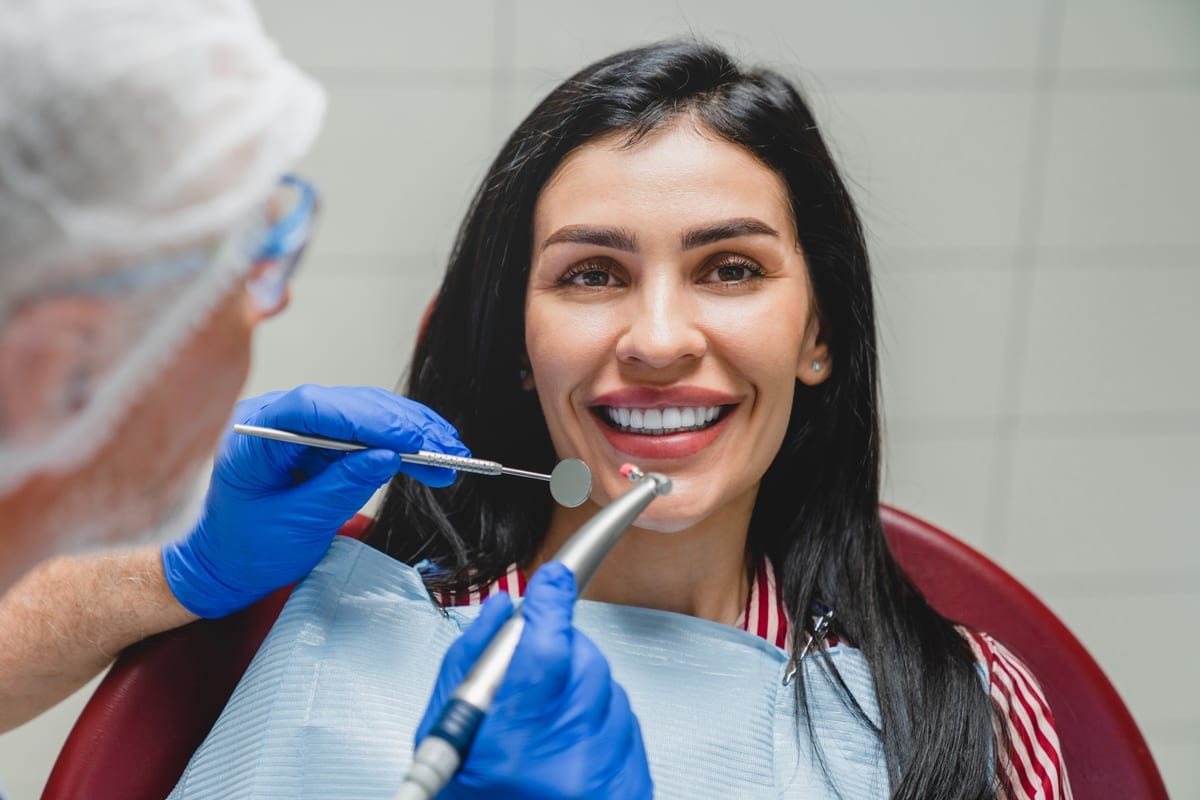
 Your Dental Restorations Could Last 20 Years—Here’s What Determines That
Your dental restorations could last 20 years — and that's not just an optimistic estimate. Many patients in Boca Raton achieve exactly that with the right care. What determines that lifespan comes down to a mix of material choice, oral habits, and professional maintenance. Understanding these factors helps you protect your investment for the long haul.
At Regency Court Dentistry of Boca Raton, Dr. Danielle Alvarez helps patients make informed decisions about restorative care. This article breaks down the key factors that extend or shorten restoration lifespans. Whether you have crowns, bridges, implants, or dentures, this guide applies to you.
How Long Do Common Dental Restorations Last in Boca Raton?
Different restorations come with different expected lifespans. Knowing what to expect helps you plan and budget wisely. Here's a general overview of longevity by restoration type:
- Dental Implants: 20–30+ years with proper care
- Dental Crowns: 10–20 years depending on material and placement
- Dental Bridges: 10–15 years on average
- Dentures: 5–10 years before relining or replacement is needed
- Teeth Whitening: 1–3 years, highly dependent on diet and habits
- Clear Aligners and Retainers: Retainers can last years with proper storage and cleaning
These are estimates, not guarantees. A patient who brushes twice daily and attends regular checkups can far exceed these averages. On the other hand, certain habits can cut these timelines significantly short.
Dental Implants Boca Raton consistently rank among the longest-lasting restorations available today. Their titanium roots fuse with your jawbone, creating a stable and durable foundation. That biological integration is a major reason implants can last decades.
What Shortens the Lifespan of Your Dental Restorations?
Certain habits and conditions accelerate wear on restorations. Being aware of these risks gives you the power to avoid them. Here are the most common lifespan-shortening factors:
- Grinding or clenching your teeth (bruxism)
- Chewing on ice, hard candies, or non-food objects
- Skipping regular dental cleanings and exams
- Poor brushing and flossing habits leading to decay around restorations
- Consuming highly acidic or staining foods and beverages frequently
- Smoking or using tobacco products
Bruxism is especially damaging. Patients who grind their teeth at night can crack or chip crowns and bridges much sooner than expected. Dr. Alvarez often recommends a custom nightguard to protect restorations during sleep.
Decay around a restoration is another silent threat. Even crowned teeth can develop cavities at the margins. This is why flossing and brushing near restorations matters just as much as caring for natural teeth.
What Extends Restoration Longevity — and What You Can Do Starting Today
The good news is that you have significant control over how long your restorations last. Small daily habits compound over time into major protective benefits. Here's what Dr. Alvarez recommends to Boca Raton patients:
First, brush twice daily with a soft-bristled toothbrush. Abrasive brushing can wear down crown surfaces and weaken surrounding enamel. Use non-whitening toothpaste on porcelain restorations to avoid micro-scratches.
Second, floss daily — especially around bridges and implant crowns. Food and bacteria collect at restoration margins. Flossing disrupts that buildup before it turns into decay or gum disease.
Third, wear your nightguard if one has been prescribed. Many patients underestimate how much force nighttime grinding generates. A custom appliance from your dentist fits precisely and distributes that pressure evenly.
Dental Crowns Boca Raton made from zirconia or porcelain-fused-to-metal tend to outlast older materials when cared for properly. Material selection at the time of placement matters enormously. Dr. Alvarez discusses the best material options based on your bite, lifestyle, and budget.
Why Professional Maintenance Is Non-Negotiable for Long-Lasting Results
Home care is essential, but it's only half of the equation. Professional maintenance visits allow your dentist to catch problems early. Issues caught at six months are far easier — and cheaper — to address than those caught at two years.
During routine checkups, Dr. Alvarez examines restoration margins, checks bite alignment, and looks for signs of wear. X-rays can reveal problems beneath the surface that you'd never notice at home. These visits are your best early warning system.
Professional cleanings also remove calculus buildup that a toothbrush can't touch. Calculus near restoration margins creates the perfect environment for gum disease. Gum disease can undermine even the most expertly placed implant over time.
Boca Raton's warm, humid climate doesn't directly affect your restorations — but your lifestyle might. Active outdoor lifestyles sometimes increase the risk of dental trauma. If you play contact sports, ask about a custom athletic mouthguard to protect your restorations.
Choosing the Right Restoration Matters From Day One
Longevity begins before the restoration is even placed. The choice of material, the precision of the preparation, and the accuracy of the fit all influence how long a restoration holds up. This is why choosing an experienced and detail-oriented dentist matters from the very first appointment.
Dr. Danielle Alvarez at Regency Court Dentistry takes a thorough diagnostic approach before any restorative procedure. She evaluates your bite, gum health, bone density, and long-term oral health goals. That comprehensive assessment shapes every treatment recommendation she makes.
Patients pursuing full-mouth restoration or multiple restorations at once benefit especially from this holistic planning. Each restoration must work harmoniously with your bite and surrounding teeth. When everything fits together correctly, the entire system lasts longer.
If you're considering restorations or want to protect ones you already have, now is the right time to act. Small adjustments today lead to dramatically longer-lasting results tomorrow. Book Now to schedule your appointment with our team.
Frequently Asked Questions
How often should I visit the dentist to protect my dental restorations?
Most patients benefit from professional cleanings and exams every six months. However, patients with multiple restorations or a history of gum disease may need more frequent visits. Dr. Alvarez will recommend a schedule tailored to your specific needs.
Can a dental crown or bridge be repaired if it chips or cracks?
Minor chips on some materials can sometimes be polished or repaired chairside. However, significant cracks or fractures usually require replacement. Early detection during routine exams gives you the best chance of catching damage before it becomes a full replacement situation.
Do dental implants in Boca Raton really last longer than other restorations?
Implants are among the most durable restorations available. With proper oral hygiene and regular professional care, many implants last 20 to 30 years or more. The titanium post that integrates with your jawbone is highly resistant to decay, which gives implants a significant advantage over other options.
What is the biggest mistake patients make that shortens restoration lifespan?
Skipping regular dental visits is the most common mistake. Problems like micro-fractures, margin gaps, and early decay are nearly invisible to patients at home. Catching these issues early during professional exams prevents small problems from becoming costly failures.
Does teeth whitening affect existing crowns or veneers?
Whitening treatments do not change the color of existing crowns, bridges, or veneers. This can create a color mismatch if you whiten your natural teeth. It's best to discuss whitening timing with Dr. Alvarez before or after placing any restorations to ensure a consistent, natural-looking result.