How Can Patients with Gum Disease Still Qualify for Dental Implants?
Gum disease, also known as periodontal disease, hits millions every year. If you’re dealing with it, you’re probably wondering if you can still get dental implants. Here’s the good news: having gum disease doesn’t automatically take dental implants off the table. If you manage your condition, you’ve still got options.
Let’s talk about how gum disease and dental implants connect, why it matters, and how you can still get the healthy, lasting smile you want—even if you’ve struggled with your gums before.
What are dental implants, and why do people care so much about them?
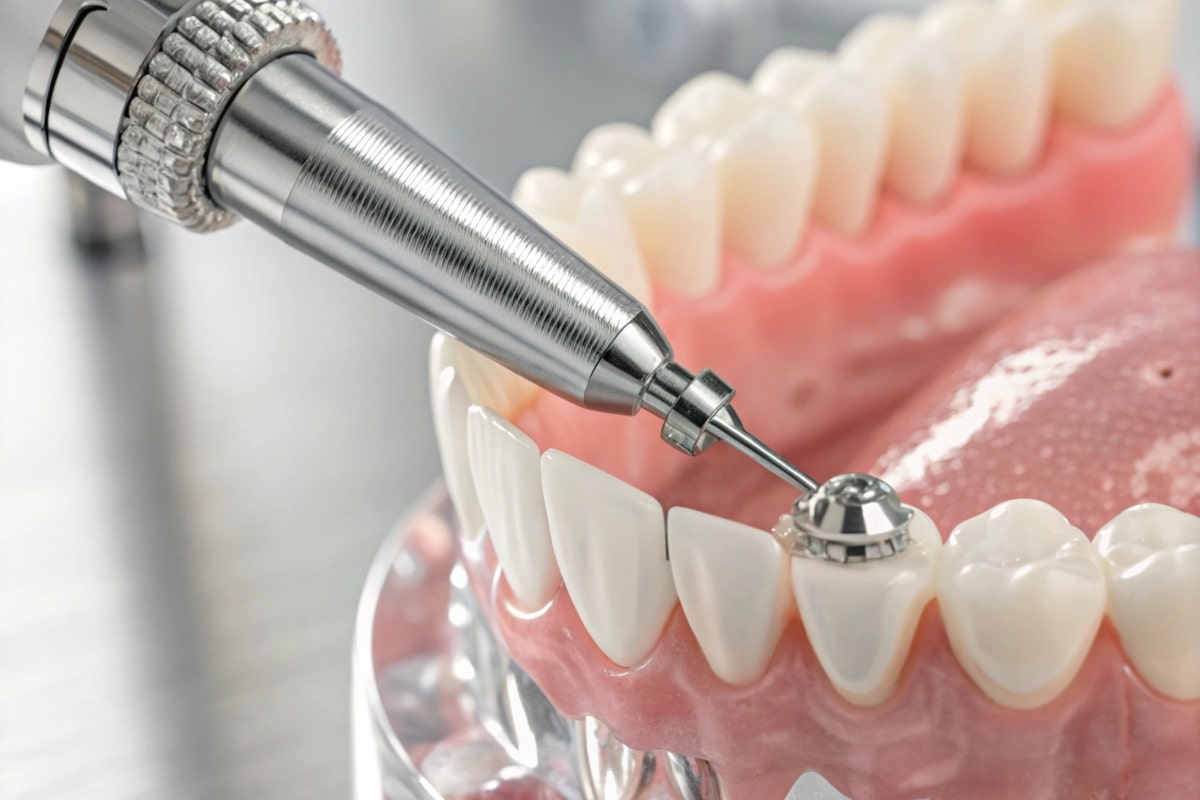
A dental implant is a titanium post that a dentist puts into your jawbone. It acts like a brand-new root for a replacement tooth. Implants don’t just fill the gap—they look and feel real, and they’re built to last. Unlike dentures or bridges, implants keep your jawbone strong, preventing the bone loss that often occurs when teeth are missing.
But here’s where gum disease complicates things. When plaque and bacteria accumulate, your gums become infected. Leave that untreated, and it turns into periodontitis—an advanced form of gum disease that can destroy gums, teeth, and even the jawbone itself. That’s a problem if you want implants, because you need enough healthy bone for the post to hold.
Still, don’t count yourself out. Even if gum disease has caused bone loss, you’re not out of options.
So, how do you get dental implants if you’ve had gum disease?
The first step is to get the gum problem under control. That usually means a deep cleaning – dentists call it scaling and root planing to clear out the gunk below your gumline. If things are terrible, you might need surgery to fix your gums and stop more damage. Once your gums have recovered, your dentist can discuss implants with you.
Sometimes, if gum disease has eaten away too much bone, you’ll need a bone graft. That’s when your dentist rebuilds the jawbone so it can support the implant. It’s a big part of making sure everything works as it should.
After you get your implants, keeping your mouth healthy is a must—especially if you’ve had gum issues before. Brush, floss, and get regular checkups. You want those implants to stay put, and your gums to stay healthy.
Why go for dental implants even if you’ve had gum disease?
Simple. Implants protect your jawbone, keep your mouth healthier, and look just like real teeth. You’ll smile without thinking twice. And when you take care of them, dental implants can last the rest of your life—unlike dentures, which usually need replacing.
If you’re in Boca Raton and worried about gum disease and implants, call a dentist at Regency Court Dentistry. Ask about bone grafts, deep cleanings, and everything else you might need to get ready. Your dentist will assess the severity of your gum disease and help you build a plan that fits you.
You can still get dental implants, even with gum disease. Treat your gums, fix any bone loss if needed, and talk with your dentist about the best way forward. With a bit of work, you can get a strong, confident smile again.
Frequently Asked Questions (FAQs)
- Can I get dental implants if I have gum disease?
Yes, with proper treatment to manage gum disease and restore gum health, you can qualify for dental implants. Treatment may include deep cleaning, periodontal therapy, and possibly bone grafting.
- What are the risks of getting dental implants with gum disease?
The primary risk is insufficient bone structure, which may require additional procedures like bone grafting. If gum disease isn’t treated, the implants may fail.
- How long does it take to get dental implants if I have gum disease?
The timeline depends on the severity of your gum disease. After treatment, it can take several months for the gums and bone to heal before the implants can be placed.
- How do I care for dental implants after gum disease treatment?
Maintaining excellent oral hygiene is key. Brush, floss, and schedule regular checkups to ensure the health of your implants and gums.
- Are dental implants the best option for someone with gum disease?
For many, dental implants are the best long-term solution for missing teeth, even with gum disease. Consult with your dentist to determine if implants are right for you.